Filter Your Search
6 Search Results:



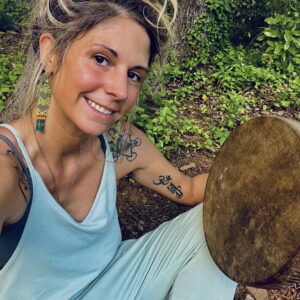


Herbalist
Herbalism is the practice of using plants and plant extracts for their therapeutic properties to support health and well-being. It is one of the oldest forms of medicine, with traditions spanning across cultures and continents.
An herbalist is a trained practitioner who has knowledge of medicinal plants and their uses. They assess an individual's health needs and recommend herbal remedies, often in the form of teas, tinctures, capsules, or topical applications, to address specific health concerns or promote overall wellness.
What to expect from a session with an herbalist:
- Initial consultation: The herbalist will typically begin with a thorough consultation to understand your health history, current concerns, lifestyle, and dietary habits. This may include discussing any medications you are taking and any allergies or sensitivities you have.
- Assessment: The herbalist may use various methods to assess your health, such as taking your pulse, observing your tongue, or asking detailed questions about your symptoms and experiences.
- Personalized recommendations: Based on the consultation and assessment, the herbalist will recommend specific herbs or herbal formulas tailored to your individual needs. They may suggest different forms of herbal preparations, such as teas, tinctures, capsules, or topical applications.
- Dosage and preparation: The herbalist will provide guidance on the appropriate dosage and preparation methods for the recommended herbs. They may also discuss potential interactions with medications or other herbs.
- Lifestyle and dietary advice: In addition to herbal remedies, the herbalist may offer lifestyle and dietary advice to support your overall health and well-being. This may include recommendations for stress management, exercise, and sleep hygiene.
- Follow-up and monitoring: The herbalist may schedule follow-up appointments to monitor your progress and adjust the herbal protocol as needed. They may also provide ongoing support and education to empower you to take an active role in your health.
Additional things to keep in mind:
- Holistic approach: Herbalism often takes a holistic approach, considering the whole person and their unique constitution.
- Safety and quality: It's important to use high-quality herbs from reputable sources and to follow the herbalist's recommendations for safe and effective use.
- Individualized treatment: Herbalism is highly individualized, and the herbalist will tailor the recommendations to your specific needs and health concerns.
- Complementary medicine: Herbalism can be used as a complementary medicine alongside conventional healthcare. It's important to inform your doctor about any herbal remedies you are using.
Herbalism can be a valuable tool for supporting health and well-being, offering natural remedies and a holistic approach to address a wide range of health concerns.